


Starting a clothing brand online is one of the most exciting business opportunities today, but it’s also one of the most competitive. Many new entrepreneurs struggle with product differentiation, supply chain issues, marketing challenges, and finding the right eCommerce setup. The good news? With proper planning, the right tools (like Shopify), and strong execution, you can build a clothing brand that stands out and grows sustainably.
Whether you’re searching for how to start a clothing brand, how to start a clothing company, or how to launch a profitable online clothing business, this detailed guide walks you through every step, while helping you avoid the most common mistakes new fashion entrepreneurs make.
Why Start an Online Clothing Business?
The global fashion eCommerce market continues to grow rapidly. With low entry barriers and limitless creative potential, starting a clothing business online is more accessible than ever. Shopify has made it simple for anyone, from beginners to established brands, to set up a professional store and start selling quickly.
But competition is high. Without clear planning, a strong niche, and a professional online presence, most new clothing brands fail. This guide ensures you don’t become one of them.
Looking to launch a successful fashion ecommerce website? Check out this comprehensive guide
Step 1: Plan and Research
A successful clothing brand begins with clarity and direction. Your early research shapes everything, from product design to marketing to pricing.
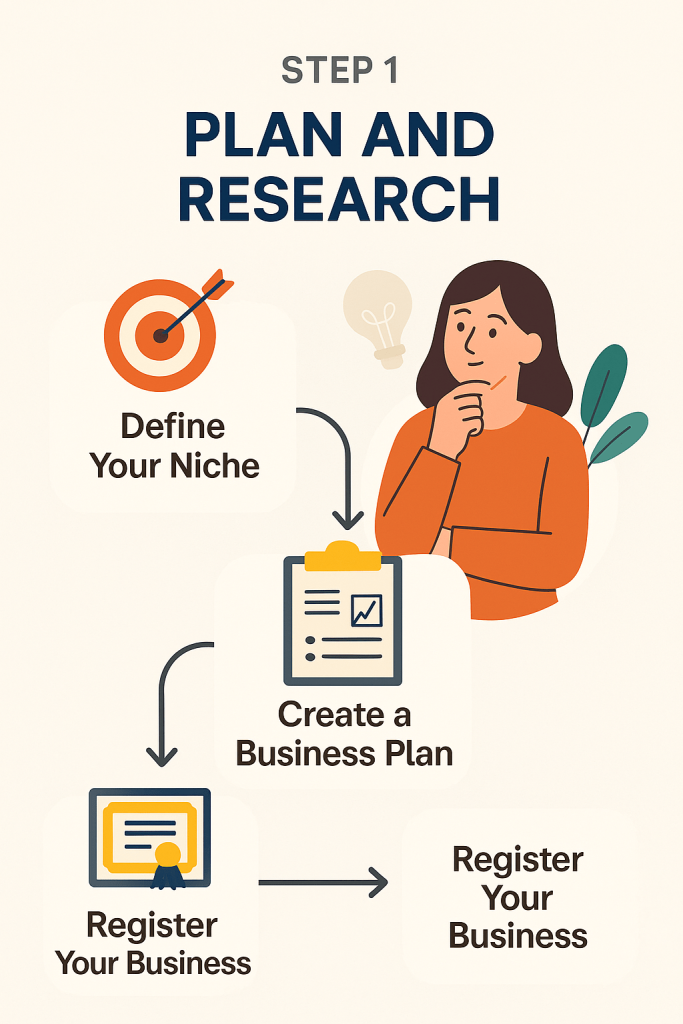
Define Your Niche
Selecting your niche is the foundation of your business. A niche helps you stand out, find loyal customers, and compete effectively. The more you add to your list, the higher the chance of growing your clothing brand.
Example: Minimalist everyday wear, Sustainable fashion, Athleisure clothing, Plus-size fashion, Kids clothing, Streetwear, Occasion-based wear, and many more.
Ask yourself:
- Who is my target customer?
- What problem does my clothing solve?
- What makes my brand unique?
Choosing a niche is one of the most important steps in how to start a clothing brand that lasts.
Create a Business Plan
Your business plan is the roadmap that guides your decision-making. Key elements to include:
- Brand mission & story with the Target audience
- Product line description and Competitor research
- Manufacturing plan with Costing, pricing & margins
- Logistics & shipping
- Planning your marketing strategy
A clear plan helps you avoid mistakes that most beginners make when starting a clothing business online.
Register Your Business
Legalizing your brand builds trust and protects your brand identity. Most startups begin with:
- GST registration (India)
- Trademark registration for the brand name
- Opening a current business bank account
It may feel boring, but it prepares you for scaling and selling on online marketplaces.
Also Read: https://softpulseinfotech.com/blogs/fashion-ecommerce/
Step 2: Build Your Brand and Products
This stage shapes your brand identity and product line. Create a clear visual style, define your tone, and design clothing that reflects your niche. Focus on quality materials, reliable manufacturing, and product testing to ensure your clothing brand delivers consistent value and earns customer trust.
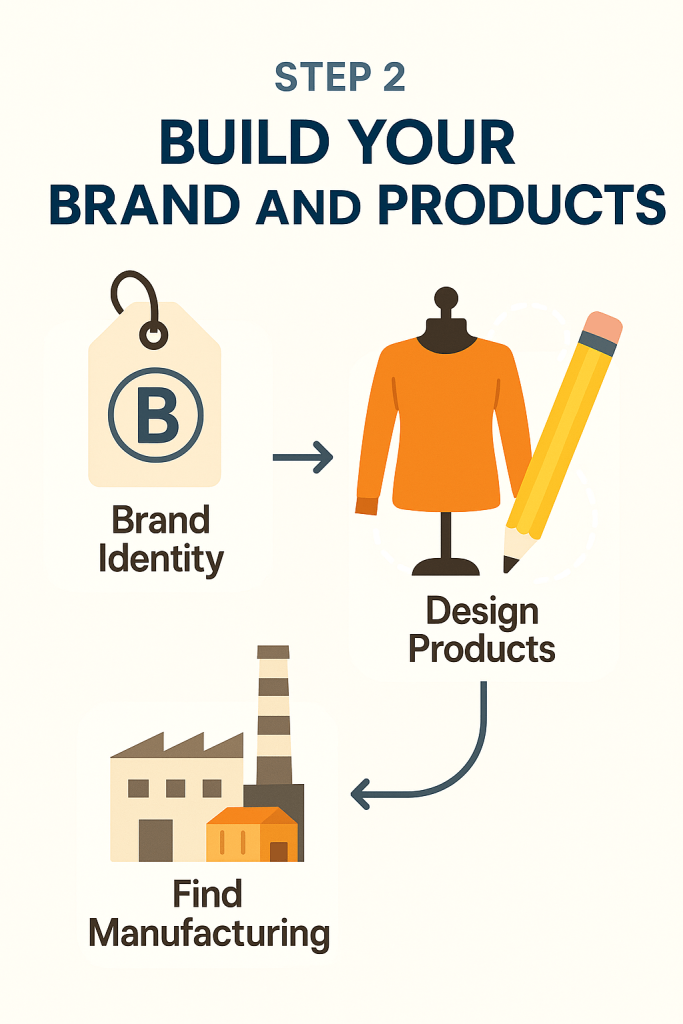
Develop Your Brand Identity
Your brand identity differentiates you from thousands of other clothing companies. It must be consistent everywhere, website, packaging, marketing, and social media.Build these: Brand name, Logo, Color palette, Typography, Visual style, Brand voice, and Packaging concept.
A strong identity increases customer trust and makes your online clothing business memorable.
Design Your Products
Good design sells. It reflects your brand story, niche, and customer needs.You can:
- Sketch designs manually
- Hire a fashion designer
- Use tools like Adobe Illustrator
- Reference competition for insights (not copying)
Focus on:
- Fit & comfort
- Fabric quality
- Durability
- Unique elements
- Seasonal or evergreen styles
If you’re wondering how to start a clothing company with low investment, start with small batches or print-on-demand.
Source Materials & Manufacturing
This step determines product quality and profit margins.Options:
- Local Manufacturers – Better communication, small batch flexibility.
- International Manufacturers (China, Bangladesh, Turkey) – Lower cost but higher MOQs.
- Print-on-Demand (POD) – No inventory, low risk, customizable.
Evaluate manufacturers based on:
- Minimum order quantity
- Pricing and sample quality
- Production time
- Past client reviews
- Shipping times
Reliable production is one of the biggest eCommerce challenges, solve it early.
Step 3: Set Up and Sell
Build a professional online store, Shopify is ideal for clothing brands due to its themes, checkout, and app ecosystem. Add high-quality photos, size guides, policies, and clear navigation. Then launch your marketing through social media, influencers, SEO, and ads to start driving sales.
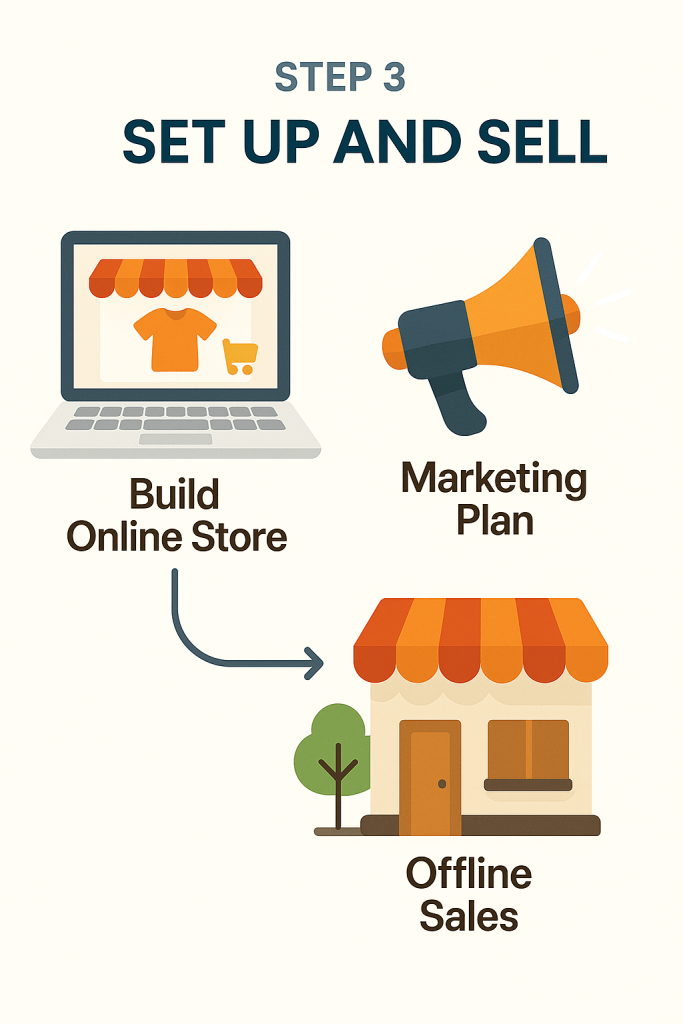
Build an Online Store (Shopify Recommended)
Shopify is the most beginner-friendly and scalable platform for clothing brands.It offers such features as easy setup, industry-leading themes for fashion stores, fast checkout, secure payment gateways, built-in analytics, thousands of marketing apps, Excellent mobile experience, and many other things.
You need to set up:
- Homepage
- Product pages (with size charts)
- Category pages
- About page
- Contact page
- Shipping policy
- Return & refund policy
Softpulse Infotech, a trusted Shopify development partner, can help you build a stunning, high-converting clothing store, customize themes, improve speed, and add advanced features like size selectors, lookbooks, bundle offers, filter options, and more.
Create a Marketing Plan
Marketing determines whether your brand gets seen or ignored.Use a mix of:
1. Social Media Marketing: Instagram, Facebook, TikTok, Pinterest, perfect for fashion visuals.
2. Influencer Marketing: Micro-influencers drive real conversions for clothing brands.
3. Paid Ads: Facebook Ads & Google Ads help scale quickly.
4. Email Marketing: Build a loyal customer base.
5. Content Marketing (Blog, Lookbooks, Styling Guides): Helps SEO and builds authority. Your marketing plan is the engine behind your online clothing business.
Consider offline sales, many successful clothing brands use an offline sales model.
- Pop-up shops
- Exhibitions
- Local boutiques
- Affiliate stores
Offline exposure increases brand visibility and trust.
Step 4: Refine, Optimize & Grow
Analyze store performance regularly, study customer behavior, and track best-selling products. Improve conversions with better visuals, faster speed, and updated collections. Keep adapting to trends and customer feedback to stay competitive and grow your online clothing business sustainably.

Analyze and Scale
Use Shopify Analytics or tools like Google Analytics to track:
- Best-selling products
- Conversion rates
- Customer repeat rate
- Abandoned carts
- Marketing ROI
Make decisions based on data, not assumptions.
Stay Updated: Fashion evolves fast.
Study:
- Market trends
- Seasonal demand
- Customer reviews
- Competitor strategies
Brands that adapt grow faster.
Also Read: https://softpulseinfotech.com/blogs/ecommerce-clothing-website/
Overcoming the Biggest E-Commerce Challenges
Most clothing brand owners struggle with these issues.
Here’s how to solve them:
1. High Competition: Solution – Niche down + strong brand identity.
2. Manufacturing Issues: Solution – Start with small batches, test samples, and diversify suppliers.
3. Low Website Traffic: Solution – SEO, content marketing, influencer collaborations.
4. Poor Conversion RatesSolution:
- High-quality product photos
- Clear size charts
- Trust badges
- Faster website speed
- Customer reviews
5. High Returns (Common in Apparel): Solution – Better size guides, fabric details, and mockup videos.
How Softpulse Infotech Helps Clothing Brands Grow
Softpulse Infotech builds high-converting Shopify stores tailored for clothing brands. Their team helps with theme customization, speed optimization, advanced features, UI/UX improvements, and app integrations, ensuring your brand looks professional, loads fast, and converts more visitors into customers.
- Professional Shopify store development
- Custom Shopify themes for clothing brands
- Speed optimization
- Conversion-focused UI/UX
- Shopify app development
- Migration from WooCommerce / WordPress
- Marketing tools and automation setup
If you’re serious about starting a sustainable clothing business, partnering with experts saves time and avoids costly mistakes.
Final Thoughts
Starting a clothing brand online is challenging, but absolutely achievable with the right strategy. Focus on a strong niche, high-quality products, a professional Shopify store, and a smart marketing plan. As you grow, analyze data, optimize your website, and continue improving your designs.
If you want expert help building a high-converting fashion store, Softpulse Infotech can guide you every step of the way. If you’re planning to launch your fashion store, explore expert Clothing Website Development services by Softpulse Infotech to build a modern, high-converting online presence.
Frequently Asked Questions
1. How much does it cost to start a clothing line?
The cost to start a clothing line can range from ₹20,000 to ₹2,00,000 or more, depending on your niche, manufacturing method, and inventory size.
2. How do I start my own clothing brand?
To start your own clothing brand, choose a niche, create a business plan, develop your brand identity, design your products, and find reliable manufacturers. Read out the full blog for more.
3. How do I start a clothing brand with low investment?
Start with a niche, create a small product line, use print-on-demand or low-MOQ manufacturers, and launch on Shopify.
4. Is selling clothes online profitable?
Yes, fashion has high demand and high margins. Profitability depends on niche selection, product quality, and marketing.
5. What is the best platform for an online clothing business?
Shopify is the most reliable, scalable, and beginner-friendly platform.
6. How can I attract customers to my new clothing brand?
Use influencer marketing, social media, SEO content, paid ads, and strong brand storytelling.